

Since its debut in 2007, Keeping Up with the Kardashians (KUWTK) has been one of the most talked-about reality TV shows worldwide. Spanning 20 seasons and over 300 episodes, the show chronicles the lives of the Kardashian-Jenner family — a blend of high fashion, business ventures, personal drama, and the pursuit of fame. But what exactly made this show a cultural landmark? And why does it continue to captivate audiences years after its finale in 2021?
The Genesis of a Reality TV Giant
Before KUWTK, reality TV was mostly about competitions or unscripted “ordinary” people. The Kardashians brought a new flavor — a glamorous family navigating fame and fortune while managing their personal lives under the public eye. Executive producer Ryan Seacrest helped launch the show, giving viewers unprecedented access into the Kardashians’ world.
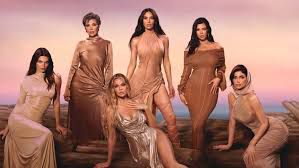
At its core, the show focused on family dynamics: the matriarch Kris Jenner’s savvy “momager” role, Kim Kardashian’s rise from reality star to business mogul, Khloé’s struggles and strength, Kourtney’s quest for balance, and the younger Jenner sisters, Kylie and Kendall, who became global icons themselves.



What Makes KUWTK So Addictive?
1. Real Drama Meets Glamour
Viewers were hooked on the blend of everyday family issues — sibling rivalries, relationship ups and downs, parenting challenges — with high-end fashion, luxury lifestyles, and exclusive parties. This contrast gave the show a unique appeal.
2. Relatable Yet Aspirational
Despite their wealth, the Kardashians often showed vulnerability and relatable problems: breakups, mental health struggles, and family disagreements. Yet, their glamorous world created a voyeuristic thrill for fans eager to peek inside the life of the rich and famous.
3. Business and Branding Masterclass
KUWTK wasn’t just about drama; it showcased how the family built a billion-dollar empire. From beauty lines to fashion brands, the show highlighted their strategic use of media and personal branding — a blueprint for influencer culture.
Criticisms and Controversies
Of course, KUWTK faced its fair share of criticism. Many skeptics questioned how “real” the show was, pointing out moments that felt scripted or exaggerated. Some accused the family of promoting materialism and superficial values.
Additionally, the constant focus on drama and conflict sometimes overshadowed deeper storytelling, leading some viewers to tire of repetitive arguments or manufactured tension.
The family’s public controversies — from leaked tapes to personal scandals — also sparked debates about privacy, ethics, and the impact of reality TV on society’s values.
Legacy and Impact
Despite these critiques, the influence of Keeping Up with the Kardashians is undeniable. The show reshaped how fame works in the social media era:
It helped launch the Kardashian-Jenner clan into global superstardom.
It revolutionized influencer marketing and brand-building strategies.
It normalized discussing topics like mental health and body positivity in mainstream media.
It inspired a wave of reality shows focused on celebrity families and influencer culture.
Keeping Up with the Kardashians is more than just a reality TV show — it’s a cultural phenomenon that captured the zeitgeist of the 2010s and early 2020s. Whether you love them or find them controversial, the Kardashians changed the entertainment landscape, showing how a family can turn fame into an empire.
For fans of reality TV, celebrity culture, or media business, KUWTK offers a fascinating case study in how personal lives can become global entertainment. If you’re looking for a mix of drama, glamour, and a peek into modern fame, this show is definitely worth the watch.

