
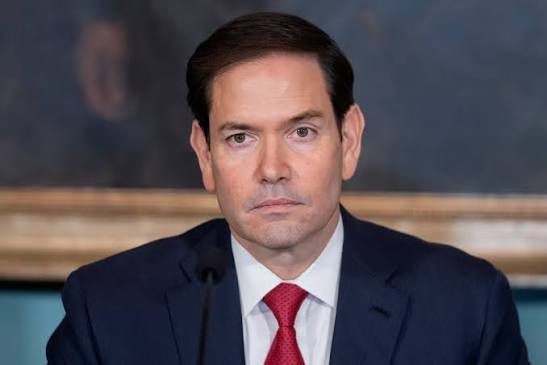
United States Secretary of State Marco Rubio is set to travel to Paris, France, from November 8 to 10 to participate in a high-level meeting of Group of Seven (G7) foreign ministers, marking his first overseas diplomatic engagement following the Republican Party’s significant losses in the November 3 midterm elections.
The meeting comes at an important moment for President Donald Trump’s administration, as Democrats prepare to take control of both chambers of the United States Congress, introducing a new political dimension to Washington’s domestic and international decision-making.
According to the US State Department, Rubio’s visit will focus on advancing American interests through discussions and engagements with his counterparts from other leading industrialised democracies.
The gathering is expected to provide an important platform for discussing international security, economic cooperation, geopolitical developments and the future of relations among major Western powers.
For Rubio, the Paris meeting represents an opportunity to communicate Washington’s diplomatic priorities while strengthening relationships with some of America’s most influential international partners.
G7 Meeting: A Critical Diplomatic Platform
The Group of Seven consists of the United States, France, the United Kingdom, Canada, Germany, Italy and Japan.
The organisation serves as an important forum for cooperation among major advanced economies, bringing together leaders and senior government officials to discuss issues affecting international stability, economic development and global security.
The foreign ministers’ meeting in Paris is expected to address several important international issues, including the Russia-Ukraine war, the conflict involving Iran, developments in the Middle East, energy security, food supplies, freedom of navigation and relations with China.
Artificial intelligence and support for Ukraine are also expected to feature in discussions.
These issues require considerable diplomatic coordination because decisions taken by individual G7 members can have wider implications for international trade, security arrangements, energy markets and global political relationships.
The meeting will therefore provide Rubio with an opportunity to explain American positions and explore areas where Washington and its partners can maintain cooperation.
The Impact of America’s Midterm Elections on Foreign Policy
Rubio’s diplomatic mission comes against the background of a major political development in the United States.
The Republican Party suffered significant losses in the November 3 midterm elections, allowing Democrats to secure control of both the House of Representatives and the Senate.
The outcome will reshape the political environment surrounding Trump’s remaining two years in office.
Although the president retains substantial constitutional authority over American foreign policy, congressional control carries considerable importance for funding, international agreements, diplomatic appointments, trade legislation and military engagements.
Democratic lawmakers will gain control of important congressional committees responsible for foreign affairs, defence and government spending.
This will give them greater opportunities to scrutinise the administration’s international decisions, organise hearings, request official documents and influence funding priorities.
The Senate’s role in confirming diplomatic and national security appointments will also become particularly important.
Consequently, the Trump administration will need to consider the changing congressional balance when developing policies requiring legislative support or financial authorisation.
However, presidential executive authority remains an important instrument for conducting diplomacy and directing several aspects of American foreign relations.
Rubio’s Role in Maintaining America’s International Relationships
As Secretary of State, Rubio occupies a central position in the formulation and implementation of American foreign policy.
His responsibilities include representing the United States in international negotiations, maintaining diplomatic relationships, coordinating foreign policy initiatives and communicating the administration’s positions to international partners.
His Paris visit will provide an opportunity to address questions surrounding Washington’s future relationship with its traditional allies.
European governments, particularly those within the G7, have important interests in America’s positions on European security, NATO, Ukraine, international trade and economic cooperation.
The meeting also comes at a time when international partners are seeking clarity about the administration’s approach to several major geopolitical developments.
Rubio’s ability to communicate American priorities while engaging with the concerns of other participating countries will therefore be an important element of the discussions.
The diplomatic engagement could also help identify areas where the G7 members can maintain common positions despite differences in their national policies.
Ukraine, Russia and the Future of European Security
The Russia-Ukraine war is expected to remain an important subject during the Paris discussions.
The United States has played a major role in international efforts surrounding the conflict, although Trump’s approach to military assistance, diplomatic negotiations and relations with Moscow has generated different responses among Western allies.
European governments continue to regard the security of Ukraine as an important element of the continent’s broader security architecture.
The G7 meeting will provide an opportunity for foreign ministers to discuss diplomatic initiatives, security cooperation, economic assistance and the long-term implications of the conflict.
For Rubio, the discussions will involve explaining the administration’s position while listening to the perspectives of European partners.
The outcome could provide further insight into how the United States intends to balance its international commitments with its evolving foreign policy priorities.
Middle East Tensions and International Security
The Middle East is another major issue expected to attract attention.
The conflict involving Iran has important implications for regional security, international energy supplies, maritime transportation and diplomatic relations.
The G7 countries have significant interests in maintaining stability across the region, particularly around important shipping routes and energy infrastructure.
Freedom of navigation is expected to be among the subjects discussed, reflecting concerns about the security of international maritime routes.
The ministers may also exchange perspectives on regional diplomacy, humanitarian considerations and the broader consequences of continued instability.
For the United States, these discussions are particularly important because developments in the Middle East can influence global oil prices, international commerce and America’s strategic relationships.
France Changes the Meeting Venue
The diplomatic gathering was initially scheduled to take place in Marseille but was subsequently moved to Paris following nationwide protests in France.
The change of venue represents an adjustment to the arrangements for hosting the international meeting without altering its broader diplomatic purpose.
France remains an important member of the G7 and plays a significant role in European diplomacy, international security discussions and economic cooperation.
Hosting the foreign ministers in Paris also provides an opportunity for France to reinforce its diplomatic engagement with its international partners.
Rubio Rules Out Early Departure from Trump’s Administration
Another development attracting attention ahead of the Paris visit concerns speculation about Rubio’s political future.
Reports had suggested that the secretary of state might consider leaving the administration to prepare for a possible presidential campaign in 2028.
However, Rubio dismissed the speculation during an interview with The New York Times on Thursday, November 5.
He indicated that remaining in Trump’s administration until the conclusion of the president’s term had always been his plan.
His comments provide an indication of his stated commitment to his current responsibilities as the administration enters a new political phase.
For now, his immediate focus remains on representing American interests internationally and coordinating the country’s diplomatic relationships.
What the Paris Meeting Means for Global Diplomacy
The significance of Rubio’s visit extends beyond the traditional responsibilities of a G7 foreign ministers’ meeting.
It provides an opportunity to examine how America’s international relationships may evolve following a major change in its domestic political landscape.
For Washington’s allies, the discussions could offer greater clarity about the administration’s priorities concerning European security, international conflicts, trade and cooperation among major economies.
For the Trump administration, maintaining productive relationships with G7 partners remains important as it pursues its foreign policy objectives.
The changing balance of power in Congress may also encourage greater attention to bipartisan support for certain international initiatives, particularly those involving defence spending, diplomatic appointments and long-term security commitments.
Nevertheless, the extent of congressional influence will vary depending on the issue, available legislative powers and the administration’s ability to exercise presidential authority.
A Defining Diplomatic Engagement for the Trump Administration
Marco Rubio’s November 8–10 visit to Paris comes at a significant moment for American diplomacy.
With Democrats preparing to assume control of Congress, the Trump administration faces a new domestic political environment while continuing to manage international responsibilities involving major geopolitical and economic challenges.
The G7 meeting will bring together some of America’s closest international partners at a time when cooperation remains important across several areas of global affairs.
For Rubio, the immediate task will be to advance American interests, communicate Washington’s priorities and maintain diplomatic engagement with fellow foreign ministers.
Ultimately, the Paris discussions will offer an important indication of how the United States intends to approach international cooperation during the next phase of Trump’s presidency.

