
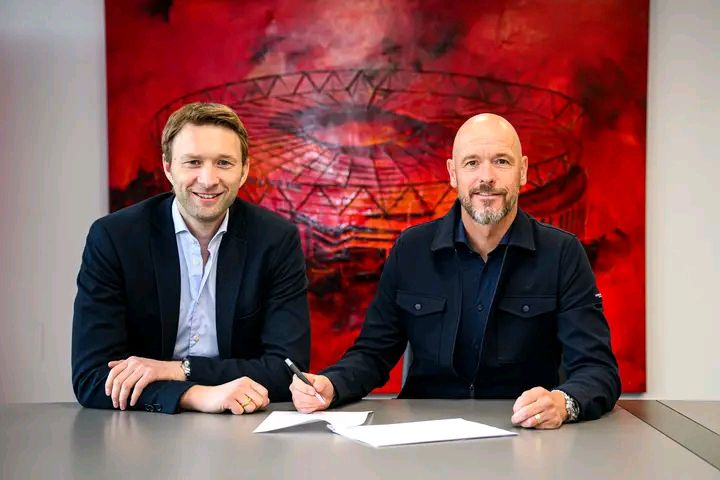
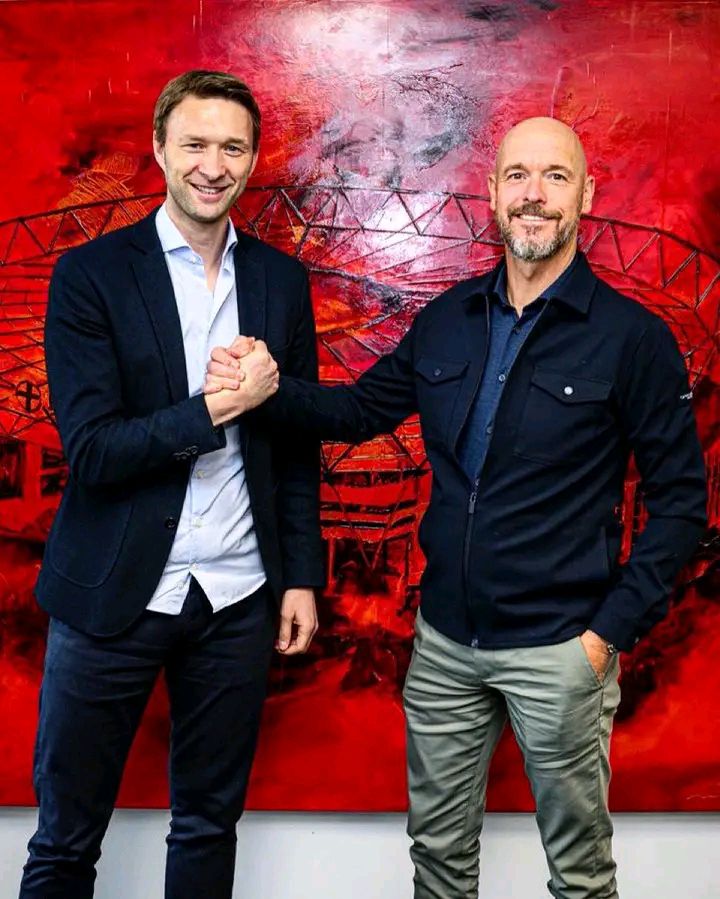
After an intense few weeks of speculation, it’s official—Erik ten Hag is back in the Bundesliga, this time taking the reins at Bayer Leverkusen following Xabi Alonso’s departure. The appointment marks a pivotal moment in Leverkusen’s history, and fans are already buzzing with anticipation. But what exactly will the Dutch tactician bring to the BayArena? Here’s a deep dive into the changes Ten Hag is expected to implement.
1. Tactical Transformation: From Counter to Control
Under Xabi Alonso, Bayer Leverkusen thrived on quick transitions, compact defending, and a flexible 3-4-3 formation that emphasized width and high pressing. In contrast, Ten Hag is a purist of positional play and structured build-up. His time at Ajax and Manchester United showcased his preference for a 4-2-3-1 or 4-3-3 system rooted in:
Possession-based football: Expect Leverkusen to control the game through patient ball movement and vertical passing.
High pressing and counter-pressing: Ten Hag emphasizes recovering the ball quickly, especially in the opposition’s half.
Fluid attacking rotations: Midfielders and forwards will interchange frequently, creating unpredictability in the final third.
This shift will likely demand greater technical discipline and positional awareness from the squad, but it also promises a more dominant style of play.
2. Youth Empowerment: Leverkusen’s Future in Safe Hands.
One of Ten Hag’s greatest strengths is talent development. At Ajax, he transformed academy graduates like Frenkie de Jong and Matthijs de Ligt into global stars. With Leverkusen’s existing young talents—most notably Florian Wirtz, Jeremie Frimpong, and Adam Hložek—he has a strong foundation to build on.
Insiders suggest Ten Hag will:
Increase first-team opportunities for U-21 players.
Establish a tighter integration between the senior squad and youth academy.
Scout and sign technically gifted young players, especially from the Netherlands and Germany.
This approach aligns with Leverkusen’s long-term model of sustainable growth through youth and smart recruitment.
3. Squad Overhaul: Who Fits, Who Leaves?
Ten Hag isn’t afraid to reshape a squad. Already, transfer rumors swirl around the futures of Jonathan Tah, Patrik Schick, and even Piero Hincapié. If these players don’t suit Ten Hag’s style, expect them to be moved on.
In their place, we might see:
A deep-lying playmaker to control tempo.
Ball-playing defenders comfortable with progressive passes.
Versatile attackers who can drift wide or play through the middle.
The summer transfer window will be crucial in shaping Ten Hag’s vision for Leverkusen 2.0.
4. German Roots, Seamless Integration
Ten Hag’s stint at Bayern Munich II gave him more than just coaching experience—it made him fluent in German and comfortable with Bundesliga culture. That familiarity is a massive asset.
He’s expected to quickly:
Build rapport with players, staff, and fans.
Adapt to media demands and club expectations.
Implement his philosophy without the usual cultural friction new foreign managers face.
This ease of integration could give him a head start compared to other big-name arrivals.
The Ten Hag Era Begins
Bayer Leverkusen is entering a new chapter—one that promises innovation, youth, and elite-level coaching. Erik ten Hag may have had mixed results at Manchester United, but his tactical pedigree is unquestionable.
If given time and backing, he could take Leverkusen from Bundesliga challengers to true European contenders.
Follow @trendyheadlyns for more exclusive updates on Ten Hag and Leverkusen’s transformation.
Written by Nwosu Chizoba David
Founder & CEO, Zoba Digital Media
Copyright © 2025

