
WASHINGTON, D.C. | NOVEMBER 8, 2026
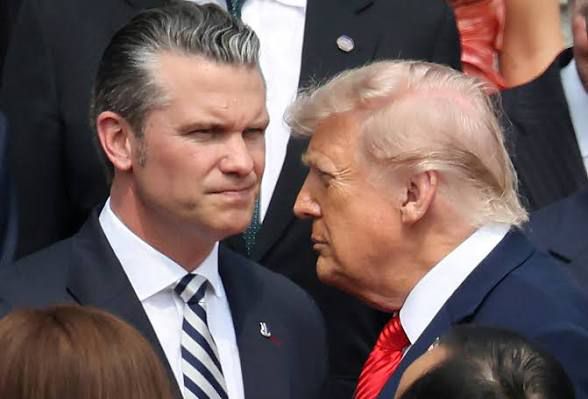
As pressure mounts on U.S. Defense Secretary Pete Hegseth over growing impeachment demands in Congress, President Donald Trump faces an important political test: whether his continued support can protect one of his most prominent cabinet officials from a potentially damaging congressional confrontation.
Trump has publicly defended Hegseth, describing his performance positively and making it clear that he intends to retain him. During a recent exchange with ABC News, the president reaffirmed his commitment to keeping the Pentagon chief in his administration, signalling that he is not prepared to abandon his defence secretary amid mounting political pressure.
However, the impeachment campaign is gaining momentum, particularly following the Democrats’ victories in the November 3 midterm elections.
A GROWING CONGRESSIONAL CHALLENGE
The immediate impeachment effort is being driven by Republican Representative Thomas Massie of Kentucky, who intends to reintroduce a resolution containing eight articles of impeachment against Hegseth.
The allegations include questions surrounding the administration’s handling of the Iran war and compliance with the War Powers Resolution of 1973.
House Democratic leader Hakeem Jeffries has also publicly endorsed the initiative, declaring himself a strong supporter of Hegseth’s impeachment during an appearance on ABC’s This Week on November 8.
Jeffries indicated that he expects considerable support among Democrats, although the party’s position will be discussed further when lawmakers reconvene.
The development places Hegseth in an increasingly complicated political situation, with criticism extending beyond traditional Democratic opposition.
HOW TRUMP COULD HELP HEGSETH
Trump still has several political options available to support his defence secretary.
1. Maintaining Republican support
One of Trump’s most important options is persuading Republican lawmakers to stand behind Hegseth.
Although some Republicans have expressed concerns about the Pentagon’s handling of the Iran conflict, Trump’s influence within the party could remain relevant as lawmakers consider whether to support or oppose the impeachment resolution.
However, individual representatives retain their constitutional authority to vote independently.
2. Defending Hegseth’s record
The president could strengthen Hegseth’s position by publicly presenting the administration’s justification for its military decisions, explaining the defence secretary’s responsibilities and addressing questions raised by lawmakers.
A detailed defence supported by official records and congressional testimony could become central to the political and legal arguments surrounding the impeachment effort.
3. Reshuffling his administration
Trump also has the constitutional authority to remove Hegseth from his cabinet and appoint another defence secretary.
Although such a decision would not automatically erase impeachment allegations or prevent congressional investigations, it could fundamentally change the political circumstances surrounding the controversy.
For Trump, retaining Hegseth or choosing a replacement would represent an important decision about the future direction of his defence leadership.
THE SENATE: WHERE THE BATTLE BECOMES MORE COMPLICATED
Even if the House of Representatives approves articles of impeachment, Hegseth’s removal would not automatically follow.
Under the American Constitution, impeachment requires a simple majority in the House, while conviction in the Senate requires a two-thirds majority of senators present.
That means 67 votes would be necessary if all 100 senators participate.
With Democrats expected to hold 54 Senate seats following the midterm elections, they would still need Republican support to reach the constitutional threshold.
This creates another significant obstacle for those seeking Hegseth’s removal.
Trump could therefore focus considerable political attention on maintaining Republican opposition to conviction in the Senate.
Nevertheless, senators are constitutionally independent in impeachment trials, and presidential influence cannot guarantee their votes.
WILL TRUMP’S SUPPORT BE ENOUGH?
The changing political environment makes Hegseth’s situation particularly significant.
Democrats are preparing to assume control of both chambers of Congress in January 2027, creating opportunities for expanded investigations, oversight hearings and renewed scrutiny of the Pentagon’s leadership.
Meanwhile, outgoing Republican Representative Thomas Massie has indicated that he intends to proceed with his impeachment initiative, while Hegseth has publicly rejected the allegations and promised to defend himself.
Trump’s support provides Hegseth with an important political advantage, but it does not eliminate Congress’s constitutional authority.
There is also a distinction between protecting Hegseth from conviction and protecting him from congressional scrutiny. The president may influence the political environment, but he cannot independently cancel a properly advanced impeachment process.
THE BIGGER PICTURE: A TEST OF PRESIDENTIAL INFLUENCE
Beyond Hegseth’s individual circumstances, the controversy raises broader questions about the relationship between the White House, Congress and the Pentagon.
For Trump, the situation presents competing considerations: maintaining confidence in his defence secretary, preserving political support among Republicans and responding to growing congressional demands for accountability over military decisions.
For Hegseth, the coming weeks could determine whether he continues leading the Department of Defense under mounting congressional scrutiny or whether the president eventually considers a change in leadership.
Ultimately, Trump’s ability to influence the political outcome will depend on congressional support, the evidence presented during investigations and the constitutional requirements governing impeachment.
One thing is clear: Trump’s promise to keep Pete Hegseth in his administration and Congress’s authority to pursue impeachment are two separate realities. The coming congressional battle will reveal how far presidential loyalty can go when confronted with the constitutional powers of the American legislature.

