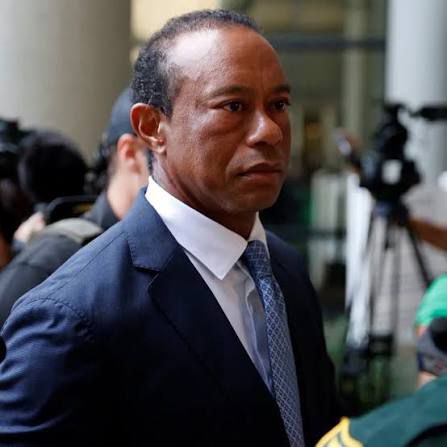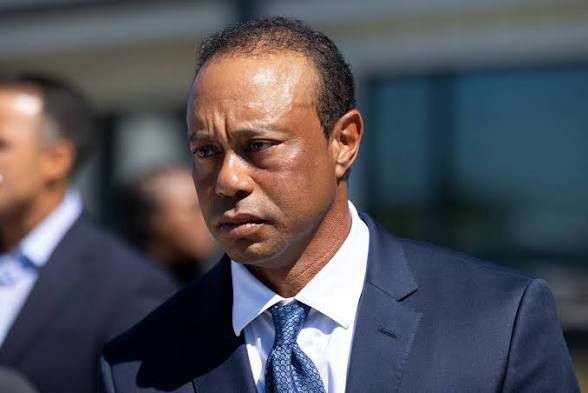
STUART, FLORIDA: Golf superstar Tiger Woods appeared before a judge at the Martin County Courthouse in Stuart, Florida, on Wednesday, September 2, 2026, where he changed his plea in a case stemming from a rollover crash earlier this year.
Woods entered a no-contest plea to a reduced reckless-driving charge. A second matter involving his refusal to submit to a lawful test was also resolved through the agreement.
As part of the plea arrangement, Judge Darren Steele ordered Woods’ driver’s license suspended for five years. The suspensions connected with the two matters will run concurrently. Woods was also ordered to pay approximately $1,500 in fines.
The agreement means Woods avoids jail time in connection with the case, while the more serious original DUI allegation was dropped. Prosecutors said toxicologists reviewing the available evidence concluded there was insufficient proof to establish that Woods was impaired by hydrocodone. Prosecutors also reviewed records showing that the medication had been prescribed to Woods.
WHAT LED TO THE CASE?
The case dates back to March 27, 2026, when Woods was involved in a rollover crash on Jupiter Island, Florida.
According to authorities, Woods’ vehicle struck a truck before overturning. No one was injured in the crash.
Woods initially faced a DUI-related case and pleaded not guilty. Investigators said a breath test detected no alcohol, while Woods declined to provide a urine sample. Authorities also found hydrocodone pills in his possession.
During the investigation, Woods told authorities that he had been looking at his phone and changing the radio before the collision.
The subsequent investigation focused heavily on whether medication had affected Woods’ ability to drive. Prosecutors ultimately concluded that the available evidence was not sufficient to prove the original DUI allegation beyond the required legal standard.
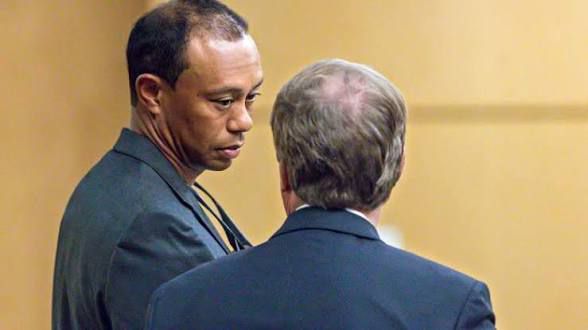
WHAT DOES THE FIVE-YEAR SUSPENSION MEAN?
The most significant immediate consequence of Wednesday’s agreement is that Woods will not be legally permitted to drive for five years.
Judge Darren Steele made the condition particularly clear during the hearing, warning Woods that there were no exceptions to the suspension and that driving during the period could result in jail.
That makes the agreement considerably more than a financial penalty. Woods will have to make alternative transportation arrangements for everyday activities, travel and other commitments during the suspension.
It could also have an interesting effect on his relationship with golf. Woods is one of the most recognizable figures in the sport, and transportation around golf courses and private properties can sometimes involve vehicles such as golf carts. Reports following the hearing have already raised questions about how the suspension could affect his ability to operate vehicles associated with golf.
From a legal standpoint, Wednesday’s outcome represents a negotiated resolution rather than a trial verdict on the original DUI allegation.
The prosecution’s decision was influenced by the evidence available to investigators and toxicologists. Prosecutors said they could not establish sufficient proof that Woods was impaired by hydrocodone, despite the circumstances surrounding the crash. That distinction is important because the original allegation and the final charges are not the same.
At the same time, the resolution does not mean the court simply dismissed the incident.
Woods accepted responsibility for the reduced driving-related charges and received a substantial five-year driving suspension and financial penalties. The court therefore imposed a meaningful consequence while allowing the case to conclude without a jail sentence.
In our view, the most important lesson from the case is the emphasis on responsibility behind the wheel.
Woods is one of the most famous athletes in the world, but Wednesday’s proceedings demonstrated that celebrity does not remove the need to comply with driving laws. The five-year suspension is a significant restriction, particularly for someone whose professional and personal life involves extensive travel.
The case also highlights how complicated impaired-driving investigations can become when prescription medication is involved. A person may legally possess medication while questions can still arise about whether that medication affects driving ability. Establishing that connection, however, requires evidence that meets the legal standard.
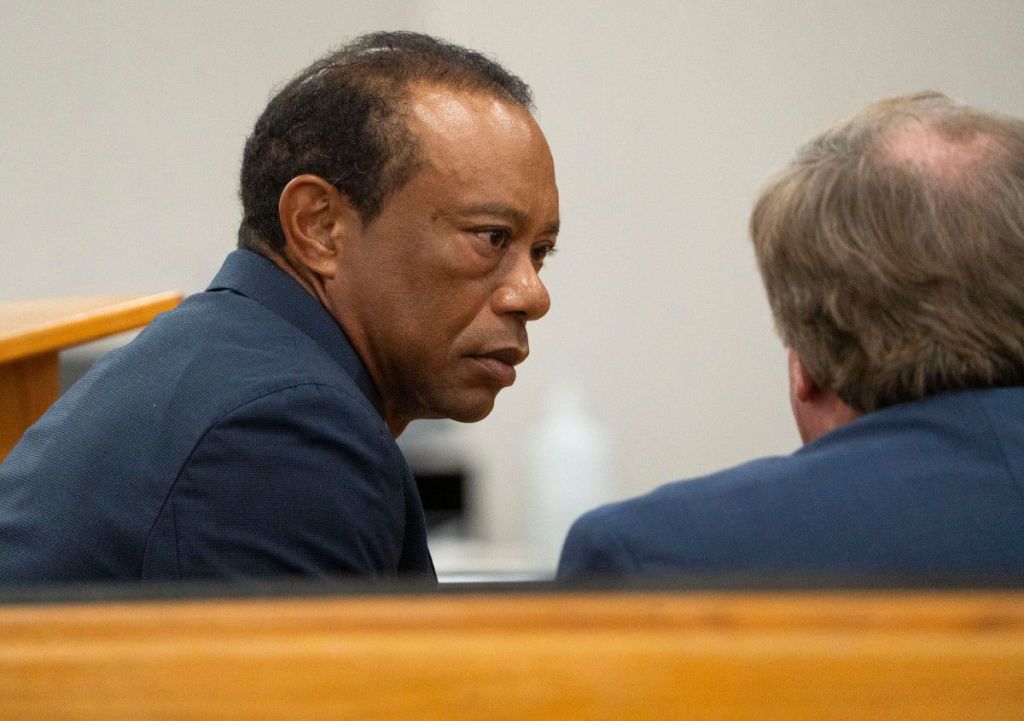
WHAT PEOPLE ARE SAYING
The public reaction is developing, but the discussion surrounding the case has largely focused on three issues: the five-year suspension, the reduction of the original DUI allegation and what the outcome means for Woods’ future.
Some observers view the agreement as a reasonable middle ground because Woods avoids jail while still receiving a lengthy driving suspension and fines.
Others have focused on the seriousness of a five-year loss of driving privileges, arguing that the restriction itself represents a substantial consequence for the circumstances surrounding the crash.
There has also been discussion about whether Woods received appropriate treatment under the law because of his status as a globally recognized athlete. Prosecutors pushed back against that suggestion. State Attorney Thomas Bakkedahl said he was comfortable with the outcome and explained that the evidence did not provide sufficient proof of impairment by hydrocodone.
Woods’ longtime manager, Mark Steinberg, also emphasized that the golfer is continuing treatment and focusing on his health, while acknowledging that Woods is not absolved of accountability.
Another point attracting attention is Woods’ appearance at court alongside his girlfriend, Vanessa Trump. The two arrived together and left together but did not speak to reporters following the hearing.
The legal case has now reached its major resolution, but attention is likely to shift toward Woods’ health and his future in professional golf.
Woods has not played an official PGA Tour event since the 2024 British Open and has dealt with significant physical challenges throughout his career.
Despite those challenges, his status in golf remains extraordinary.
He has won 15 major championships and 82 PGA Tour events, tying Sam Snead for the most PGA Tour victories. He also spent a record 683 weeks as world No. 1 and remains one of the most influential figures in the history of the sport.
The five-year driving suspension will create a new practical challenge for Woods, but it does not determine what happens next in his golfing career.
For now, the focus is on moving forward after a case that began with a March rollover crash and ended with a negotiated resolution in a Florida courtroom.