
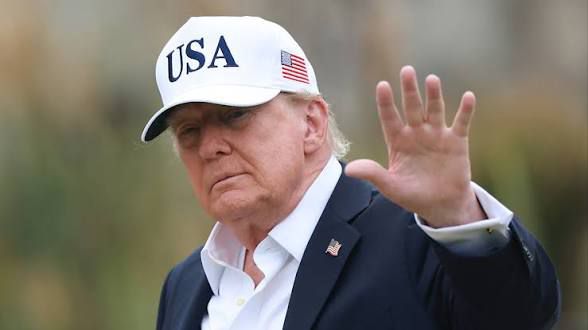
The Republican Party’s disappointing performance in the November 3, 2026, United States midterm elections has raised serious questions about President Donald Trump’s leadership, domestic policies and foreign policy decisions.
Democrats secured control of both the House of Representatives and the Senate, delivering a major political setback to the Republican Party and changing the balance of power in Washington.
Although the Democrats benefited from strong voter mobilisation, the results also reflected growing dissatisfaction with several policies introduced or pursued by Trump’s administration.
From the rising cost of living and the war with Iran to immigration restrictions, tariffs and controversial government decisions, a combination of economic and political developments appears to have weakened Republican support.
Here are the major issues that contributed to the party’s defeat.
1. Rising Cost Of Living And Inflation
One of the biggest reasons Republicans lost support was the growing frustration among Americans over the cost of everyday living.
During his 2024 presidential campaign, Trump promised to tackle inflation, reduce household expenses and improve the financial conditions of American families.
However, many voters continued to experience pressure from grocery prices, electricity bills, healthcare expenses, housing costs and transportation.
The situation became particularly challenging for lower- and middle-income households, which expected more immediate improvements under the new administration.
According to the Associated Press Voter Poll, nearly nine in ten voters considered the cost of living a major or crucial factor in their voting decisions. Approximately two-thirds said Trump’s policies had made the economy worse.
For many voters, the election became an opportunity to express dissatisfaction with the administration’s economic performance.
2. The War With Iran And Its Economic Consequences
The US military involvement in the war with Iran became another significant political challenge for the Trump administration.
Trump entered office with promises to prioritise American interests and avoid unnecessary foreign military engagements. However, the conflict with Iran introduced additional uncertainty into the country’s economic and diplomatic environment.
The war contributed to rising energy costs, increased pressure on global oil markets and concerns about the security of international shipping routes.
American motorists experienced higher fuel expenses, while businesses faced additional transportation and operating costs.
The conflict also raised questions about military spending, national security priorities and the long-term financial implications of America’s involvement.
For voters already concerned about household expenses, the war became closely connected to their economic frustrations.
3. Tariffs And Trade Tensions With International Partners
Trump’s aggressive tariff policies also became a major source of dissatisfaction.
The administration introduced higher import duties as part of its strategy to protect American industries, encourage domestic manufacturing and strengthen the country’s negotiating position with international trading partners.
However, tariffs can increase the cost of imported goods and raw materials, particularly when businesses transfer additional expenses to consumers.
American manufacturers that depend on imported components also faced uncertainty over production costs and international supply chains.
Trade tensions involving Canada and other trading partners further complicated economic relations.
Although supporters argued that tariffs could protect domestic industries and encourage American production, critics maintained that consumers and businesses were bearing much of the immediate financial burden.
The issue became particularly important during the midterm campaign because voters wanted lower prices rather than additional economic uncertainty.
4. Immigration Enforcement And Restrictions
Immigration was another major issue that influenced the political atmosphere surrounding the elections.
Trump’s administration maintained a strict approach to immigration, expanding enforcement activities and pursuing the removal of undocumented immigrants.
The administration presented these measures as necessary for border security, national sovereignty and the enforcement of immigration laws.
However, the scale and methods of immigration enforcement generated disagreements across American communities.
Concerns emerged over detention procedures, family separation, deportation operations and the treatment of migrants.
Some businesses also expressed concerns about labour shortages in industries that depend heavily on immigrant workers, including agriculture, construction and hospitality.
Democrats used these concerns to question the administration’s approach, while immigration advocacy groups organised campaigns against certain enforcement practices.
The issue also contributed to increased political mobilisation among Latino voters and other communities concerned about immigration policies.
5. Restrictions, Bans And Changes To Federal Programmes
Another area of public disagreement involved the administration’s restrictions and policy reversals across different sectors.
Trump’s government pursued changes affecting federal diversity programmes, immigration eligibility, government institutions and certain public services.
Supporters viewed many of these decisions as efforts to reduce bureaucracy, enforce existing laws and redirect government resources.
However, opponents raised concerns about the effects on affected communities, public institutions and access to government-supported programmes.
Cuts to Medicaid and the Supplemental Nutrition Assistance Program (SNAP), which provides food assistance to eligible low-income households, also became politically significant.
For families relying on these programmes, changes to eligibility and funding raised concerns about healthcare access and food security.
The controversy created an opportunity for Democrats to present themselves as defenders of social support programmes.
6. Federal Government Job Cuts And Public Sector Uncertainty
The administration’s efforts to reduce the size of the federal workforce also generated public concern.
Trump pursued a government restructuring agenda intended to reduce expenditure, eliminate what his administration considered unnecessary positions and improve administrative efficiency.
However, federal worker layoffs and restructuring affected employees and their families, while creating uncertainty around some government services.
The changes also generated disagreements over whether the reductions would produce meaningful savings or weaken the government’s ability to deliver essential services.
For affected workers and communities dependent on federal employment, the administration’s restructuring programme became a personal economic issue.
7. Concerns About Wealth, Corruption And Government Priorities
Public concerns about political accountability also played an important role in the election.
The Associated Press reported that more than half of voters considered government corruption a crucial factor in their congressional voting decisions.
Controversies surrounding Trump’s personal financial interests, cryptocurrency activities, business relationships and fundraising for the proposed White House ballroom contributed to questions about the separation between presidential responsibilities and private interests.
Some voters questioned whether the administration was giving sufficient attention to ordinary Americans while wealthy individuals and powerful businesses maintained access to political influence.
These concerns weakened the administration’s public image among voters who wanted greater transparency and accountability.
8. Relations With Traditional American Allies
Trump’s foreign policy approach also generated disagreements with some of America’s traditional international partners.
His administration adopted a more confrontational negotiating style on trade, defence spending and international cooperation.
Relations with Canada and European allies experienced periods of tension, particularly over tariffs and the financial responsibilities of international security partnerships.
Although the administration argued that these policies were intended to secure better agreements for the United States, critics expressed concern that prolonged diplomatic disagreements could weaken international cooperation.
For Americans concerned about national security, international trade and the country’s global influence, these developments became part of the wider debate over Trump’s foreign policy.
9. Trump’s Political Endorsements And Republican Candidate Selection
The election results also exposed difficulties within the Republican Party’s candidate selection process.
Trump maintained considerable influence over Republican nominations and endorsements, but some of his preferred candidates struggled to attract broader electoral support.
The Associated Press reported that several Trump-backed Republican candidates lost important races, with voters expressing concerns about their experience, character or close association with the president.
This suggested that personal loyalty to Trump was not always sufficient to secure electoral success.
Some Republican voters appeared dissatisfied with the candidates presented to them, while others stayed away from the polls.
10. Democratic Mobilisation And The Search For Political Change
While dissatisfaction with Trump’s policies contributed to Republican losses, Democratic mobilisation was equally important.
Democratic candidates focused their campaigns on affordability, healthcare, economic accountability, immigration enforcement and government oversight.
They also attracted support from independent voters and communities that had previously demonstrated greater openness to Republican candidates.
According to Brookings Institution analysts, the Democratic victory was driven substantially by strong Democratic turnout and discontented Republican supporters staying home rather than simply switching parties.
The results therefore reflected both opposition to the Republican administration and a strong desire among many voters for a different political direction.
What The Election Results Mean For Donald Trump
The Republican defeat places Trump in a more difficult political position during the remaining two years of his presidency.
Democrats will control congressional committees, legislative priorities and important oversight processes.
The administration will face increased scrutiny over the Iran war, immigration enforcement, government spending, tariffs and the management of federal institutions.
Democratic lawmakers are also expected to investigate decisions made during Trump’s second term and push for changes to policies they oppose.
Although Trump retains executive authority, advancing major legislation will become more complicated.
The appointment of Stephen Miller as White House Chief of Staff could also indicate that Trump intends to maintain his existing policy direction while strengthening coordination within the administration.
A Voter Demand For Economic Relief And Government Accountability
The Republican Party’s defeat in the 2026 midterm elections highlights the political consequences of economic dissatisfaction, controversial policy decisions and declining confidence in the administration’s priorities.
For many Americans, the central concern was not necessarily which political party controlled Washington, but whether the government was delivering the economic relief and stability they expected.
The Iran war, rising energy costs, tariffs, immigration enforcement, restrictions on federal programmes and concerns about political accountability combined to create a difficult electoral environment for Republicans.
Democrats now have an opportunity to demonstrate that their promises of affordability, stronger oversight and improved public services can translate into practical results.
However, their victory also comes with expectations. American voters will be watching to see whether the new congressional leadership can address the same economic and social challenges that contributed to the Republican defeat.
Ultimately, the 2026 midterms delivered a clear political message: presidential campaign promises must translate into improvements that ordinary citizens can experience in their daily lives.

