
WASHINGTON, D.C. | NOVEMBER 9, 2026
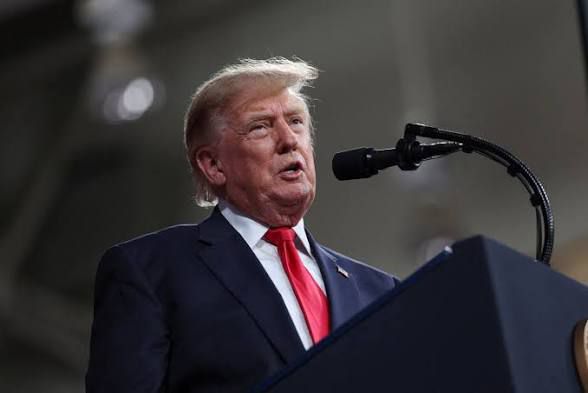
US President Donald Trump is preparing to meet Qatar’s Prime Minister Sheikh Mohammed bin Abdulrahman Al-Thani on Monday as Washington intensifies diplomatic efforts to end its eight-month-old conflict with Iran, although senior American and Gulf officials have expressed doubts about the possibility of an immediate peace agreement.
The meeting, scheduled to take place at the White House, comes as international pressure grows for a diplomatic resolution following the Republican Party’s disappointing performance in last week’s US midterm elections.
Qatar has played a central role in facilitating communication between Washington and Tehran, transmitting proposals and attempting to narrow disagreements over the conditions required to end the conflict.
Vice President JD Vance is also expected to meet the Qatari leader, highlighting the importance the Trump administration attaches to Doha’s mediation efforts.
QATAR EMERGES AS A KEY PLAYER IN PEACE NEGOTIATIONS
Sheikh Mohammed bin Abdulrahman Al-Thani’s visit comes after his recent diplomatic engagement with Iranian officials in Tehran.
Qatar has maintained communication with both sides throughout the conflict, positioning itself as an important intermediary in efforts to prevent further escalation.
The discussions are expected to address Iran’s proposed conditions for ending the war, the future of the Strait of Hormuz, American sanctions and disagreements surrounding Tehran’s nuclear programme.
However, the differences between the two governments remain substantial.
WHY WASHINGTON IS REJECTING IRAN’S PROPOSAL
Iran has proposed a framework that includes ending the American blockade of its ports, lifting certain economic sanctions and stopping US bombing operations.
In return, Tehran would end its own blockade of the Strait of Hormuz, with negotiations over its nuclear programme and additional sanctions taking place subsequently.
Washington has repeatedly rejected the proposal.
US Secretary of State Marco Rubio described Iran’s demands as unrealistic, arguing that the conditions presented by Tehran were unacceptable to the American government.
Iranian Foreign Ministry spokesperson Esmaeil Baghaei, however, defended the proposal, describing it as the most reasonable offer currently available.
The disagreement illustrates the significant diplomatic gap separating the two countries.
TRUMP FACES GROWING PRESSURE AFTER MIDTERM ELECTIONS
The diplomatic initiative is also unfolding against a changing American political background.
The Republican Party’s poor performance in the November 3 midterm elections has intensified scrutiny of the administration’s handling of the Iran conflict.
Some senior Republicans, including Vice President JD Vance, have reportedly linked the party’s electoral difficulties to public concerns surrounding the war.
The political pressure could increase demands for the administration to demonstrate progress towards ending the conflict.
Nevertheless, Trump has continued to insist that any agreement must satisfy American security interests rather than simply produce a temporary suspension of hostilities.
MILITARY TENSIONS CONTINUE DESPITE DIPLOMATIC EFFORTS
While negotiations continue, military incidents across the region demonstrate how fragile the situation remains.
Iranian state media reported that the United States carried out overnight strikes on Qeshm Island, although an Iranian provincial official said the attacks did not affect vital infrastructure or essential services.
Meanwhile, attacks involving commercial tankers in the Gulf and Strait of Hormuz have continued, raising concerns about international shipping and energy supplies.
Iran’s regional allies have also remained involved in the wider confrontation, with developments in Yemen adding another dimension to the regional security crisis.
These incidents complicate diplomatic efforts and increase the urgency of finding an arrangement capable of preventing further escalation.
GULF COUNTRIES WARN OF PROLONGED UNCERTAINTY
Regional governments are increasingly concerned about the economic and security consequences of a prolonged confrontation.
Senior United Arab Emirates official Anwar Gargash has warned that a comprehensive political settlement between Washington and Tehran remains difficult.
He called for preparations for an extended period of uncertainty in which neither a decisive resolution nor a stable regional order can be guaranteed.
His remarks reflect wider concerns among Gulf countries about the potential consequences of continued military confrontation, particularly for maritime security, international trade and regional stability.
THE BIGGER PICTURE: CAN QATAR BRIDGE THE DIVIDE?
Trump’s meeting with Qatar’s prime minister represents another important diplomatic attempt to bring Washington and Tehran closer to an agreement.
However, the obstacles remain significant, with disagreements over sanctions, maritime restrictions, military operations and Iran’s nuclear programme continuing to complicate negotiations.
For Qatar, the challenge is finding a compromise that both governments can accept without undermining their respective security and political interests.
For Trump, the meeting offers an opportunity to explore diplomatic alternatives while maintaining pressure on Tehran.
As the Iran war enters another critical phase, the world is watching Washington and Doha for signs of a breakthrough. But with both sides maintaining sharply different positions, the road to peace remains complicated, and Qatar’s mediation efforts could prove increasingly important in determining what happens next.

