

CHATTANOOGA, TENNESSEE, USA | NOVEMBER 9, 2026
Richard Lloyd, the influential American guitarist best known as a founding member of the pioneering 1970s rock band Television, has died at the age of 75, marking the loss of one of the musicians whose innovative guitar work helped shape the development of punk rock, post-punk and alternative music.
Lloyd died on Saturday, November 7, at his home in Chattanooga, Tennessee, following a battle with cholangiocarcinoma, a form of bile duct cancer. His family confirmed that he had been diagnosed with the disease in March 2026.
According to a statement shared with music publications, his wife, Sheila, and his dog, Willie Mays, were with him during his final moments.
His death has prompted tributes from musicians, music journalists and admirers who recognise his contribution to one of the most influential periods in American rock history.
Television, the New York-based band Lloyd helped establish in 1973, became a defining presence in the city’s emerging punk movement, developing a distinctive musical identity that combined intricate guitar arrangements, unconventional songwriting and experimental rock influences.
A PIONEER OF NEW YORK’S PUNK ROCK MOVEMENT
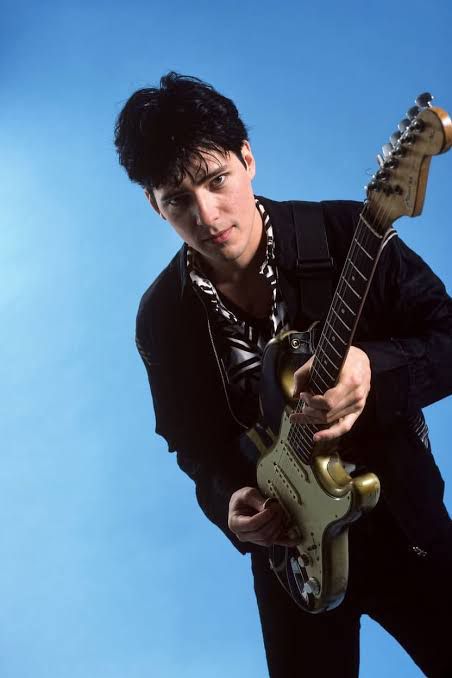
Born Richard John Alt on October 25, 1951, in Pittsburgh, Pennsylvania, Lloyd developed an interest in music during childhood and began playing guitar at approximately seven years old.
His musical journey eventually brought him into New York City’s vibrant underground music scene, where he became associated with musicians who were challenging conventional approaches to rock music.
In 1973, Lloyd joined forces with guitarist and vocalist Tom Verlaine, bassist Richard Hell and drummer Billy Ficca to establish Television.
The group became closely associated with CBGB, the legendary Manhattan music venue that served as an important launching platform for the American punk movement.
Television was among the earliest bands to establish a regular presence at the venue, helping create an environment that subsequently introduced influential acts such as the Ramones, Blondie and Talking Heads.
Unlike several contemporary punk groups that relied on straightforward arrangements and aggressive three-chord structures, Television developed a more intricate sound.
The musical partnership between Lloyd and Verlaine became particularly important, with their contrasting guitar styles producing layered melodies, extended instrumental passages and distinctive musical exchanges.
Their approach helped expand the creative possibilities of punk rock and influenced generations of musicians.
‘MARQUEE MOON’ AND THE ALBUM THAT CHANGED ROCK MUSIC
Television achieved lasting recognition following the release of its debut studio album, Marquee Moon, in 1977.
The record is widely regarded as one of the most important albums to emerge from the American punk and art-rock movements.
Its unconventional arrangements, sophisticated guitar work and experimental songwriting distinguished it from much of the mainstream rock music being released during the period.
The album’s title track, which runs for approximately ten minutes, became particularly celebrated for its extended instrumental passages and the remarkable interplay between Lloyd and Verlaine.
Other notable tracks included See No Evil, Venus and Friction, which demonstrated the band’s ability to combine punk energy with musical complexity.
Although the album initially achieved limited commercial success in the United States, its reputation grew considerably over subsequent decades.
It eventually became a landmark recording frequently cited among the greatest and most influential rock albums ever produced.
Television followed its debut with Adventure in 1978, further demonstrating its experimental musical direction.
However, internal disagreements and tensions between band members contributed to the group’s eventual breakup.
LIFE AFTER TELEVISION AND HIS SOLO MUSIC CAREER
Following Television’s initial breakup, Lloyd continued developing his musical career as a solo performer.
In 1979, he released Alchemy, his first solo album, beginning a recording career that eventually produced nine studio albums under his name.
He also collaborated with other musicians, contributing guitar performances to recordings by artists including Matthew Sweet and John Doe of the American punk band X.
Television briefly reunited in 1992, releasing a self-titled album that introduced the group to another generation of listeners.
Lloyd remained associated with the band’s musical legacy, although he eventually departed in 2007.
Beyond performing and recording, he also shared his personal experiences through his memoir, Everything Is Combustible, published in 2017.
The book explored his musical journey, personal struggles, experiences within the New York music scene and the challenges that accompanied his life as a professional musician.
HIS FINAL YEARS AND BATTLE WITH CANCER
Lloyd’s death followed a difficult period involving serious health complications.
His family confirmed that he had been diagnosed with cholangiocarcinoma, a relatively uncommon cancer affecting the bile ducts, in March 2026.
A fundraising campaign launched earlier in the year revealed the extent of his medical challenges and the financial difficulties associated with his treatment and care.
Reports indicated that the guitarist had developed tumours in his liver, including one located dangerously close to a major blood vessel, making surgical removal particularly difficult.
His illness also prevented him from continuing his regular musical activities and touring commitments.
Despite the challenges, Lloyd remained an important figure within the music community, with supporters recognising his influence and celebrating his contributions to rock music.
MUSICIANS AND FANS PAY TRIBUTE
Following confirmation of his death, tributes began emerging from musicians who admired his distinctive playing style and the influence of Television’s recordings.
Former Smiths guitarist Johnny Marr was among those who paid tribute, describing Lloyd as an inspiration both on and off the guitar.
Marr’s tribute reflected the lasting influence of Television’s musical approach on subsequent generations of guitarists.
Singer-songwriter Lloyd Cole also remembered the musician, highlighting the remarkable guitar riffs that helped define Television’s recordings.
The tributes underline how Lloyd’s contribution extended beyond his own band’s commercial achievements, influencing musicians who explored alternative rock, indie music and experimental guitar arrangements.
His death also follows that of Television co-founder Tom Verlaine, who died in 2023, and bassist Fred Smith, whose death was reported earlier in 2026.
A LEGACY THAT EXTENDS BEYOND PUNK ROCK
Richard Lloyd’s influence on popular music cannot be measured solely through album sales or mainstream chart positions.
His contribution was rooted in his willingness to explore new musical possibilities at a time when rock music was undergoing significant transformation.
Through Television, he helped demonstrate that punk rock could accommodate technical sophistication, extended instrumental performances and unconventional songwriting without losing its rebellious character.
The band’s influence can be heard across several generations of alternative and independent musicians, including artists associated with Sonic Youth and other experimental rock movements.
His work on Marquee Moon remains particularly important, with the album continuing to attract critical recognition decades after its original release.
Lloyd is survived by his wife, Sheila O’Keefe Lloyd, his son, Dylan, and his brother, Eric.
As the music world reflects on his passing, his recordings remain an enduring reminder of a musician whose creativity helped redefine the relationship between punk energy and guitar virtuosity.
Richard Lloyd may be gone, but the extraordinary guitar work that helped establish Television as one of rock music’s most influential bands will continue to inspire musicians and listeners for generations.

