
HEALTH | Women’s Health
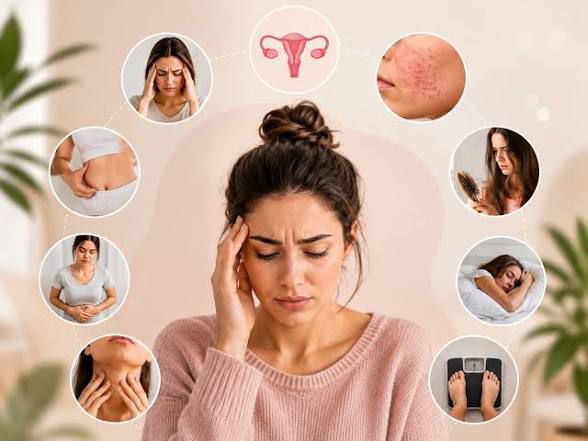
Hormones play a vital role in maintaining women’s health, regulating everything from menstrual cycles and fertility to mood, metabolism, sleep and sexual development. However, when the body produces too much or too little of certain hormones, it can disrupt several bodily functions, leading to a condition commonly known as hormonal imbalance.
Hormonal imbalance is a growing health concern among women of different age groups. Although hormonal fluctuations are normal during menstruation, pregnancy, breastfeeding and menopause, persistent or unusual changes may indicate an underlying medical condition that requires attention.
Understanding the causes, warning signs and available treatment options is essential for protecting reproductive health and overall well-being.
What Is Hormonal Imbalance?
Hormonal imbalance occurs when one or more hormones in the body are produced in excessive or insufficient quantities, disrupting the normal functioning of the body.
In women, important hormones include oestrogen, progesterone, testosterone, insulin, thyroid hormones, prolactin and cortisol. These hormones work together to regulate menstrual cycles, ovulation, pregnancy, energy levels, body weight and emotional stability.
When their levels become abnormal, women may experience several physical, reproductive and emotional changes.
10 Major Causes of Hormonal Imbalance in Women
1. Polycystic Ovary Syndrome (PCOS)
Polycystic Ovary Syndrome (PCOS) is one of the major hormonal disorders affecting women of reproductive age. It occurs when hormonal and metabolic disturbances contribute to excessive production of androgens, commonly known as male hormones.
Women with PCOS may experience irregular menstrual periods, excessive facial or body hair, acne, weight gain and difficulty becoming pregnant.
Insulin resistance is also commonly associated with the condition and may contribute to increased androgen production.
2. Thyroid Disorders
The thyroid gland produces hormones responsible for regulating metabolism, energy production and several other bodily functions.
When the thyroid gland becomes underactive (hypothyroidism) or overactive (hyperthyroidism), it can disrupt hormonal balance.
Women with thyroid disorders may experience unexplained weight changes, fatigue, hair loss, mood disturbances and irregular menstrual cycles.
3. Chronic Stress
Prolonged stress can affect the body’s hormonal system, particularly the production and regulation of cortisol, commonly called the stress hormone.
Persistent stress may interfere with the communication between the brain and reproductive organs, potentially affecting ovulation and menstrual regularity.
Women experiencing prolonged emotional pressure, anxiety or inadequate rest may notice changes in their menstrual patterns.
4. Poor Diet and Nutritional Deficiencies
Eating habits can influence hormonal health. A diet that consistently lacks essential nutrients may interfere with normal metabolic and reproductive functions.
Insufficient intake of important nutrients, including iron, vitamin D and other essential vitamins and minerals, can affect general health and contribute to symptoms that may accompany hormonal disorders.
Excessive consumption of highly processed foods and poor dietary habits may also contribute to metabolic problems, including insulin resistance.
5. Excessive Weight Gain or Weight Loss
Significant changes in body weight can affect the body’s ability to regulate hormones.
Excess body fat can influence oestrogen production and insulin sensitivity, potentially contributing to menstrual irregularities.
Similarly, sudden or excessive weight loss, particularly when associated with inadequate food intake, can disrupt the hormones responsible for ovulation and menstruation.
6. Menopause and Ageing
Menopause is a natural stage in a woman’s life when menstrual periods permanently stop following the decline in ovarian reproductive hormone production.
As women approach menopause, usually between their mid-40s and mid-50s, oestrogen and progesterone levels fluctuate and gradually decline.
This transition may cause hot flashes, night sweats, mood changes, vaginal dryness, sleep disturbances and irregular menstrual periods.
7. Pregnancy and Breastfeeding
Pregnancy brings significant hormonal changes as the body produces hormones necessary for supporting the developing baby.
After childbirth, hormone levels change again, while breastfeeding stimulates prolactin production to support milk production.
These natural hormonal changes may influence menstruation, mood, sleep and other bodily functions.
8. Certain Medications and Hormonal Contraceptives
Some medications can influence hormone production, regulation or activity.
Hormonal contraceptives, including birth control pills, implants and contraceptive injections, can alter menstrual patterns.
Certain medications used to treat epilepsy and mental health conditions may also affect menstrual regularity.
Women experiencing unusual changes after starting medication should consult a healthcare professional rather than discontinue prescribed treatment independently.
9. Disorders of the Pituitary and Adrenal Glands
The pituitary and adrenal glands play important roles in controlling hormone production throughout the body.
The pituitary gland regulates several hormones associated with reproduction, growth and other bodily functions. Excessive production of prolactin, for example, can interfere with ovulation and menstrual cycles.
Similarly, disorders affecting the adrenal glands can cause abnormal production of cortisol and androgen hormones, potentially resulting in reproductive and metabolic problems.
10. Sleep Deprivation and Excessive Physical Exercise
Adequate sleep is important for maintaining normal metabolic and hormonal functions.
Persistent sleep deprivation may affect the regulation of hormones involved in stress, appetite and metabolism.
Likewise, excessive physical exercise, particularly when combined with inadequate nutrition and insufficient recovery, can disrupt reproductive hormone production and cause irregular or absent menstrual periods.

