
TEHRAN, Iran — November 23, 2026
The Iranian Foreign Ministry spokesperson’s remarks reflect Tehran’s continued defiance amid the confrontation with Washington, including the latest dispute over the US naval blockade.
Iranian Foreign Ministry spokesperson Esmaeil Baghaei has rejected the suggestion that American threats could force Iranians to abandon their homeland or national dignity, saying such pressure would instead strengthen the country’s resolve and unity. In remarks reported by The Guardian on July 30, Baghaei said that threats and attacks would make Iranians more determined to defend their country.
His comments formed part of a broader response to violence in Iran’s southern Qeshm area. The Guardian reported that Baghaei had condemned an attack on homes that killed taxi driver Qeysar Jafari, his wife Zahra Jafari and their two-year-old child, Sina. He described the deaths as a tragedy and argued that threats and violence would not weaken the country’s determination. The reported statement was framed as a defence of Iran’s sovereignty and the dignity of its people, rather than an indication that Tehran intended to retreat under pressure.
The remarks come against the background of an extended military and diplomatic confrontation between Iran and the United States. On November 23, Reuters reported that Baghaei said Iran would use all available tools to confront the US naval blockade targeting Iran-related oil exports. The blockade was imposed in April, lifted in June after a draft understanding between Washington and Tehran, and reinstated in July after the agreement collapsed, according to the Reuters report.
Iranian officials have repeatedly presented the country’s response as a matter of sovereignty and national security, while Washington has maintained pressure through military measures and restrictions. The two sides remain sharply divided over the conditions for ending the confrontation and resuming negotiations. Baghaei’s language underscores Tehran’s public position that external pressure will not compel the country to surrender its claims or abandon its independence.
However, statements of national resolve do not remove the risks facing civilians or the wider region. Continued military escalation and restrictions on trade and shipping can carry consequences beyond the two governments, particularly for energy markets, regional security and communities caught in the conflict. Diplomatic efforts remain important to preventing further casualties and reducing the possibility of a broader regional crisis.
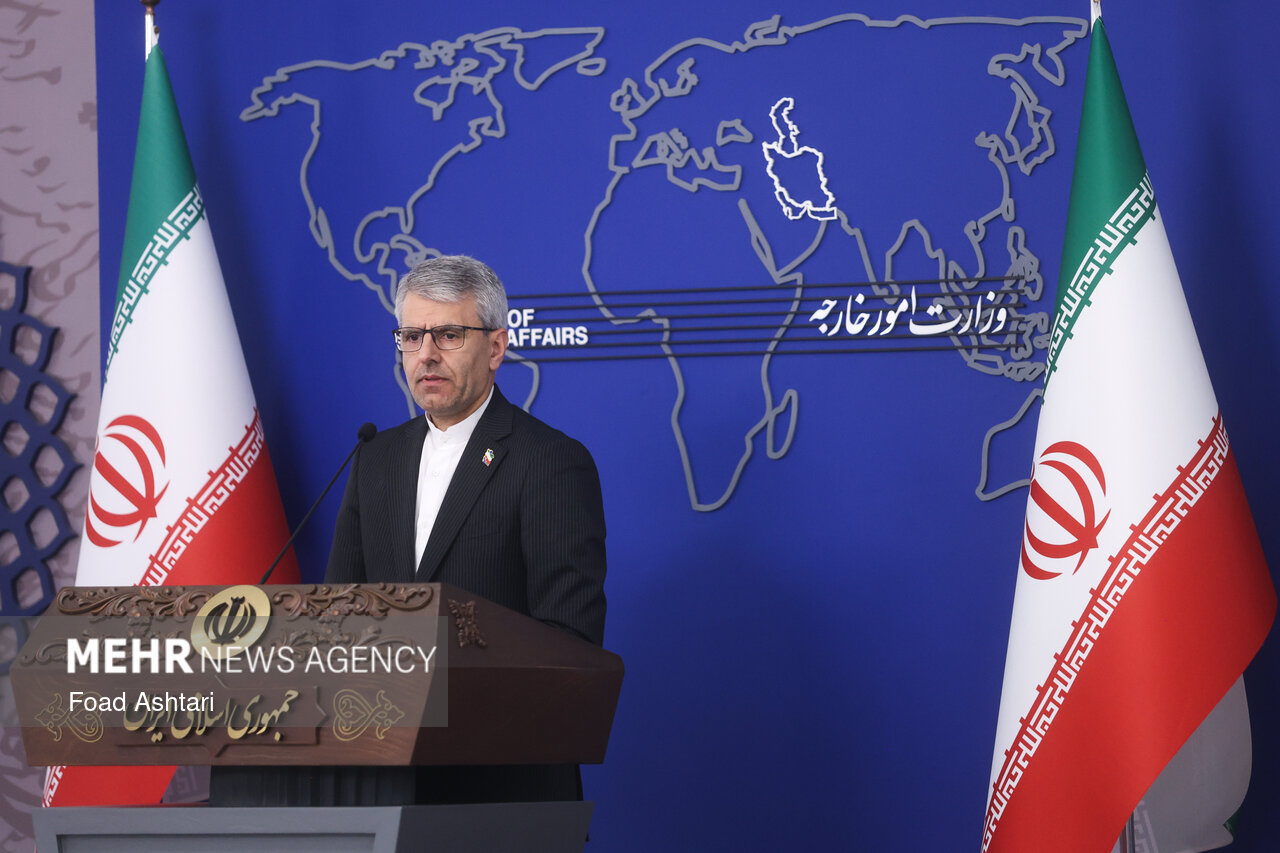
Photograph: Foad Ashtari / Mehr News Agency, April 15, 2026. Used under Creative Commons Attribution 4.0 International. Original image: Mehr News Agency.
Support independent journalism: Help HeadlinesXtra continue delivering timely news, business reporting and independent journalism. Support HeadlinesXtra.